

The United States’ war in Iran has cost $25 billion so far, a senior Pentagon official said on Wednesday.
While providing the first official estimate of the military’s price tag for the conflict, Jules Hurst, who is performing the duties of the comptroller, told lawmakers on the House Armed Services Committee that most of that money was for munitions, according to Reuters.
Hurst did not detail what that cost estimate included and whether it took into account the projected costs of rebuilding and repairing base infrastructure in the Middle East damaged in the conflict.
Rep. Adam Smith, the top Democrat on the House Armed Services Committee, responded to Hurst: “I’m glad you answered that question. Because we’ve been asking for a hell of a long time, and no one’s given us the number.”

The $25 billion cost is equal to the entire budget of NASA for this year.
But it is unclear how the Pentagon arrived at the $25 billion amount, given that a source had told Reuters last month that President Donald Trump’s administration estimated that the first six days of the war had cost the United States at least $11.3 billion.
Defense Secretary Pete Hegseth told lawmakers that the cost was justified given the U.S. goal of ensuring Iran will not have a nuclear weapon.
“What would you pay to ensure Iran does not get a nuclear bomb? What would you pay?” Hegseth asked.
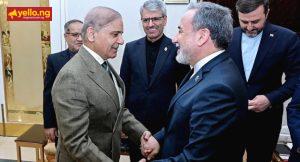
Hegseth sought to defend the Iran war more broadly in fiery remarks, saying it was not a quagmire and attacking Democratic lawmakers as “feckless” for criticising the unpopular conflict.
“You call it a quagmire, handing propaganda to our enemies? Shame on you for that statement,” Hegseth said in response to Garamendi, and slammed “reckless, feckless, and defeatist” Congressional Democrats.
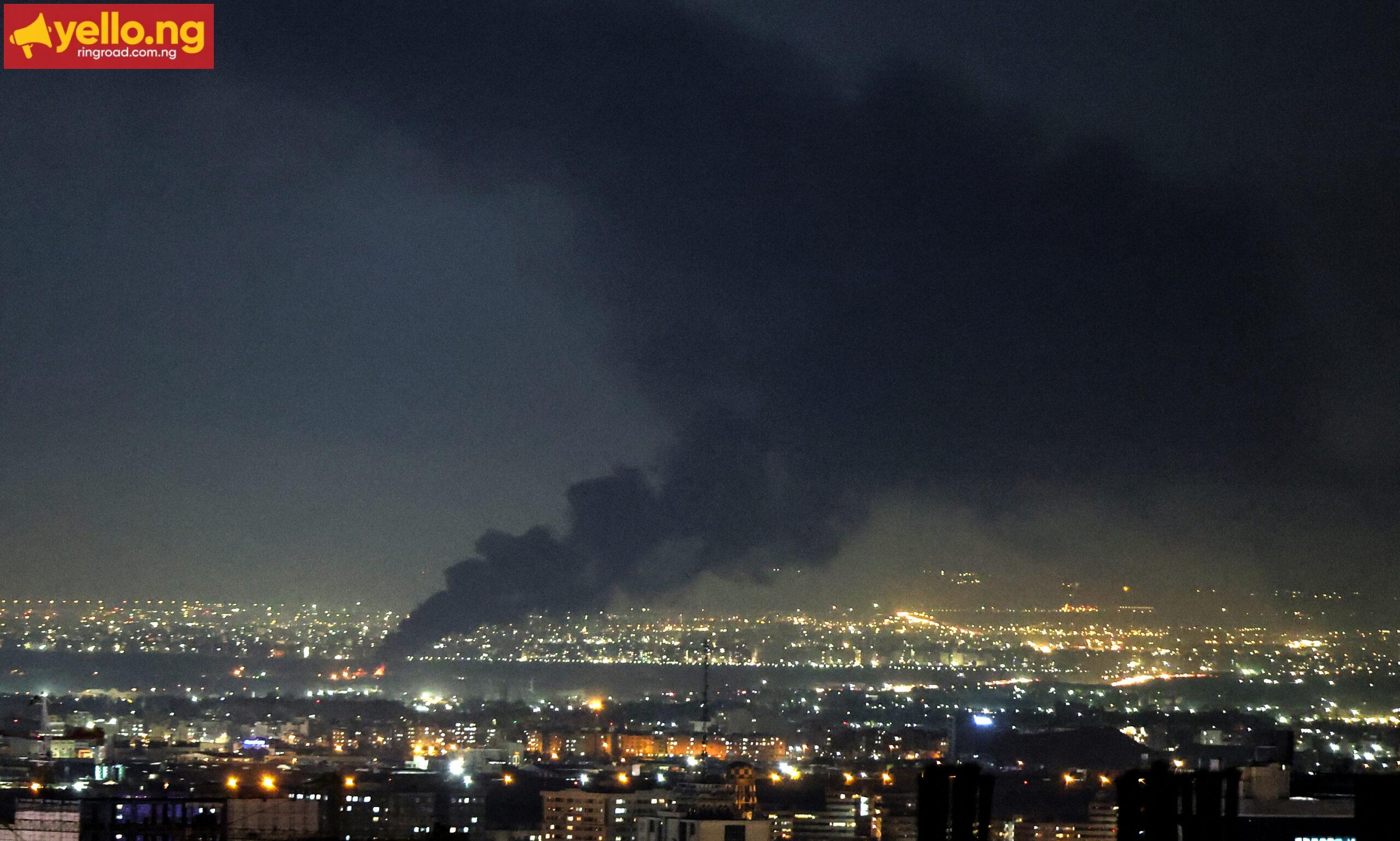
The United States started carrying out strikes against Iran on February 28, and the two sides are currently maintaining a fragile ceasefire. The Pentagon has poured tens of thousands of additional forces into the Middle East, including keeping three aircraft carriers in the region.
Thirteen U.S. troops have been killed in the conflict, and hundreds wounded.
Few issues resonate with U.S. voters more deeply than price increases, and the latest inflationary upswing is unsettling Republican insiders worried about their party’s prospects before November elections that will determine control of the House and possibly the Senate.
Disruptions in shipments of oil and natural gas since the war started have caused a run-up in U.S. gasoline prices and agricultural products such as fertilizers, on top of the long list of other high consumer prices.
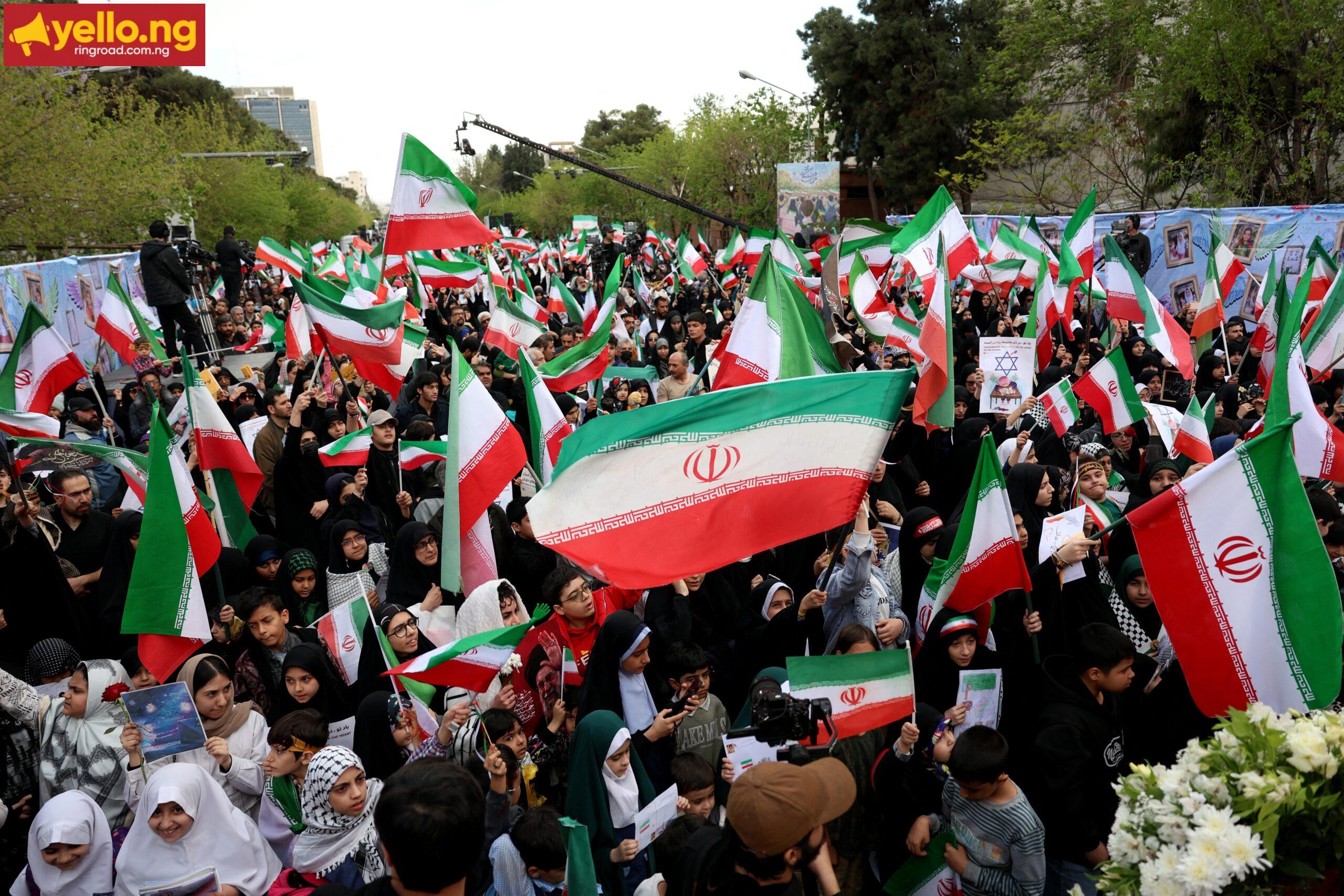
The average U.S. gasoline price on Tuesday rose to its highest level in nearly four years, according to data from the American Automobile Association.
Trump’s popularity has taken a beating since the U.S. and Israel launched the war against Iran.
Just 34% of Americans approve of the U.S. conflict with Iran, down from 36% in mid-April and 38% in mid-March, a recent Reuters/Ipsos poll found.
Search on Sells.ng Nigeria's First Ecommerce Shopping Search Engine ...For More About This Post: Oil Surges 7%, Stocks Slip On Trump Blockade Warning
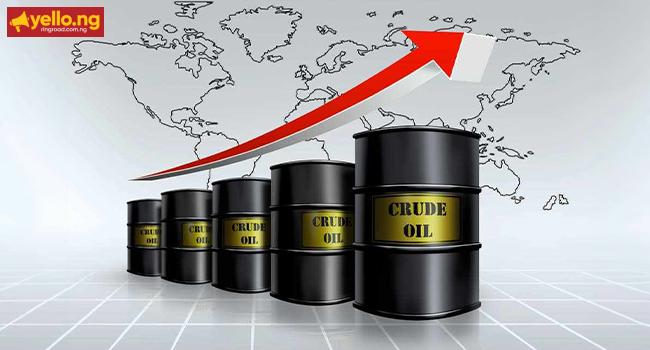
The war has also sent global oil prices soaring more than seven per cent to a fresh four-year high Thursday, while stocks fell after Donald Trump warned the US blockade of Iranian ports could last months and a report said he would be briefed on potential fresh military strikes.
While Tehran submitted a fresh proposal this week to reopen the crucial Strait of Hormuz, the US president reportedly did not believe it was negotiating in good faith.
Brent for June delivery surged 7.1 per cent to $126.41 per barrel in Asian trade, while West Texas Intermediate climbed 3.4 per cent to $110.31. Both later pared the gains.
Analysts said traders were beginning to shift to the view that the crisis will not be as short as initially hoped.
The post US War In Iran Gulps $25bn So Far appeared first on Channels Television.