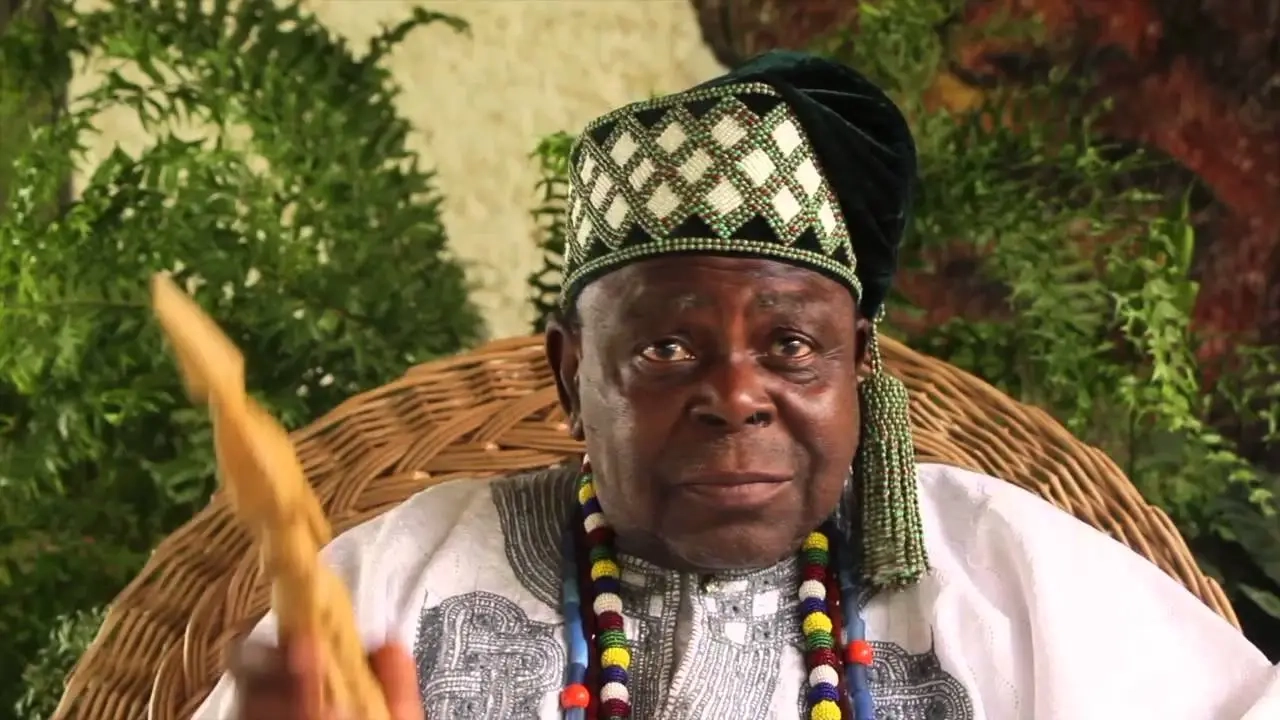
Renowned Yoruba traditional scholar and Araba of Osogbo, Ifayemi Elebuibon, has spoken candidly on the sensitive issue surrounding the promotion of Baales to Obas in Ode Oyo, while reflecting on the authority of the Alaafin of Oyo and the future of traditional leadership in the ancient town.
Beginning with a calm “Alaafia,” Elebuibon expressed gratitude for the opportunity to share his views on the ongoing discourse about new Obas in Ode Oyo. He first commended the Governor of Oyo State, Seyi Makinde, for allowing the selection of the Alaafin to follow established traditional processes. According to him, the use of Ikin Ifa in choosing the new Alaafin reinforces the spiritual legitimacy of the throne and preserves the sacred heritage of the Oyo monarchy.
However, Elebuibon cautioned that while some Baales may indeed deserve elevation to Oba status, such promotions must be handled with great care and deep respect for traditional structures. He warned that any decision to promote a Baale must consider whether the new Oba has clearly defined inhabitants and a functional council of chiefs to administer the town effectively. Without these foundational elements, he noted, the move could generate division rather than progress.
“It is true that some Baales deserve to be promoted,” he stated, “but it is not good to disrespect the head of them all — Kabiyesi Alaafin.”
His remarks underscore the delicate balance between recognizing evolving community needs and maintaining the supremacy and historical significance of the Alaafin’s stool, which remains central to Oyo’s traditional hierarchy.
Elebuibon also urged the Alaafin to exercise patience and statesmanship at this pivotal moment. In his view, this period offers an opportunity for the monarch to distinguish his reign positively and foster unity across the kingdom. Rather than reopening old tensions or replicating past conflicts, he advised that peace should be allowed to reign so that Oyo’s traditional institution can move forward harmoniously.
Reflecting on leadership and legacy, Elebuibon concluded with a Yoruba proverb emphasizing that history ultimately judges every king:
“Igba Agesin laa ka. Oba to je t’aye fi r’oru ju, ati oba to je ti aye ko to ju, laye laye la o ma so itan won.”
The proverb, he implied, serves as a reminder that time records the deeds of rulers whether marked by wisdom or controversy and that their stories endure long after their reigns.
As conversations continue over the emergence of new Obas and the preservation of traditional authority in Oyo, Elebuibon’s intervention adds a cultural and spiritual voice to an issue that sits at the heart of identity, governance, and communal unity.